 peter
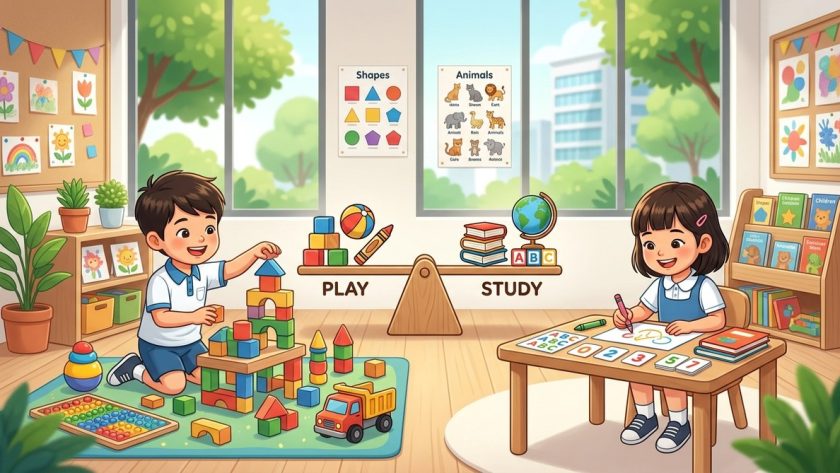
peter There is a powerful truth at the heart of early education: kids learn best when curiosity leads the way and play provides the path. In Singapore and beyond, parents and teachers are increasingly looking for a thoughtful balance between structured learning and joyful play. The goal is not to choose one over the other but to weave study and play into a harmonious daily rhythm. This approach supports cognitive growth, social emotional development, language skills, and a lifelong love of learning. In this article we explore practical, child centered ways to balance study and play in early education, with ideas you can try at home, in classrooms, or in your community programs.
The case for play based learning in early education
Play based learning is more than just a break between lessons. It is a powerful method that helps young children develop critical thinking, problem solving, collaboration, and resilience. When children explore, ask questions, and experiment, their brains are building the neural pathways that support literacy, numeracy, and executive function.
Free play versus guided play
- Free play: Children choose activities, materials and roles. This promotes creativity, autonomy, and self regulation. It supports social skills as children negotiate rules and share space.
- Guided play: An adult or more knowledgeable peer provides a loose structure and supports specific learning goals. Guides can help extend language, introduce new vocabulary, or introduce science concepts in a playful context.
A balanced early education program often includes both modes. Free play invites intrinsic motivation, while guided play gently steers learning toward targeted outcomes without stifling curiosity.
How play supports development
- Language and literacy: Storytelling, role play, and pretend scenarios expand vocabulary and narrative skills.
- Numeracy and problem solving: Building with blocks, sorting objects, measuring, and predicting outcomes cultivate early math sense.
- Social emotional growth: Turn taking, empathy, conflict resolution, and collaboration develop emotional intelligence.
- Attention and self regulation: Sustained play tasks require focus, planning, and coping with challenges.
- Creativity and resilience: Open ended materials invite experimentation and flexible thinking.
In practice, this means designing spaces and activities that invite kids to lead while offering just enough support to keep learning on track.
Structuring time without stifling curiosity
A common challenge for busy families and classrooms is to create a daily rhythm that feels both purposeful and playful. The answer lies in routines that are predictable but flexible, with clear transitions that honor both study and play.
Creating daily routines that support both learning and play
A sample preschool day that blends study and play might include:
– Morning greeting and warm up activities
– Focused learning block with a guided activity
– Free play time with rotational learning centers
– Outdoor time or movement break
– Snack and reflection time
– Thematic play and exploration
– Quiet time or independent reading
– End of day sharing and planning for tomorrow
Key ideas to implement:
– Use visual schedules: A simple picture timeline helps children anticipate what comes next and reduces anxiety.
– Build in buffers: Quick transitions can prevent frustration and keep kids engaged.
– Alternate modalities: Mix hands on activities with short storytelling, songs, or movement to keep energy balanced.
The difference between child led and teacher led activities
- Child led: Children decide what to explore within a safe framework. This strengthens autonomy and motivation.
- Teacher led: Adults provide targeted instruction to address specific goals or to introduce new concepts in a structured way.
Effective classrooms blend both approaches. A plan can set a theme or goal for the day, while children choose specific activities within that framework.
Integrating learning through play
Play is not separate from learning; it is a natural vehicle for exploring ideas. Integrating play into daily activities helps young learners connect new information with what they already know.
Thematic play setups
- Create learning corners around a theme such as farming, animals, or weather.
- Include reading prompts, manipulatives, and simple science experiments related to the theme.
- Rotate materials to maintain novelty and curiosity.
Outdoor explorations and sensory play
- Outdoor play supports physical development, observation, and discovery. Try nature walks, soil exploration, water play, and sandbox activities.
- Sensory play with non toxic materials helps children process textures, sounds, and scents, contributing to sensory integration and focus.
Practical ideas to weave play into core skills
- Letters and sounds: Play with letter tiles or magnetic letters during a pretend mailbox activity where children spell simple words.
- Numbers and counting: Use building blocks to count, compare sizes, or create patterns.
- Science and discovery: Set up simple experiments like plant growth, magnet play, or color mixing with safe materials.
- Literacy in context: Act out stories, retell sequences with puppets, or create story maps from a field trip.
Managing screen time alongside learning
Digital tools can enhance learning when used thoughtfully and sparingly. The aim is to protect attention, reduce sedentary time, and ensure screens support rather than replace real world play.
Guidelines for balanced use
- Set a clear screen time budget: For youngest learners, limit non instructional screen time and ensure active participation during any screen based activities.
- Prioritize quality content: Choose educational apps and programs designed for early learners that encourage interaction, not passive watching.
- Co view and discuss: Engage with children during screen time by asking questions, prompting connections to real life, and making it a shared activity.
- Create screen free zones and times: Establish spaces and times in the home where screens are not used, such as during meals or before bedtime.
Selecting educational apps mindfully
- Look for apps that promote manipulatives, storytelling, and problem solving rather than passive consumption.
- Favor apps that allow children to move between screen based activities and physical play, supporting translation of digital ideas to real world actions.
- Track progress with simple notes rather than relying solely on in app metrics.
Practical tips for parents and caregivers
Balancing study and play is easier with simple, repeatable practices that fit busy schedules. Here are field tested ideas you can adapt.
Morning and after school routines
- Start with a short morning brain break: a dance, a song, or a quick puzzle to wake up the brain.
- Use a shared family calendar for activities and expectations to promote consistency.
- End the day with a reflection moment: what was learned today, what surprised us, and what would we like to explore tomorrow.
Turn study time into play opportunities
- Convert learning goals into playful challenges: for example, a counting treasure hunt or letter scavenger hunt around the house.
- Use everyday materials as learning tools: kitchen measuring cups for math, spices jars for color and scent exploration, cereal for counting.
- Offer movement breaks between learning tasks to reset energy and maintain focus.
Home learning stations that invite exploration
- Create dedicated spaces for literacy, numeracy, science, and art with low cost materials.
- Keep materials accessible and clearly labeled to foster independence.
- Periodically refresh stations to align with current interests and learning goals.
Creating a balanced classroom or program environment
For educators and program leaders, the aim is to design spaces that honor both the need for structure and the love of play.
Balanced classroom environment
- Clear zones for different activities: reading nook, building and design station, dramatic play corner, science inquiry table.
- Visual supports and schedules: Use pictures and symbols to guide routines and transitions.
- Flexible seating: Allow options like floor cushions, low tables, or standing desks to support comfort and attention.
Differentiation and inclusion for diverse learners
- Use multiple entry points for activities to accommodate varied attention spans and developmental levels.
- Provide sensory friendly options and quiet spaces for children who need breaks.
- Leverage visual supports and routine based timers to help all children engage with activities.
Special considerations for children with autism and other needs
- Predictable routines: Consistency reduces anxiety and supports participation.
- Visual supports: Schedules, pictorial prompts, and step by step sequences aid comprehension.
- Structured play with clear expectations: Set rules for turn taking, sharing materials, and cleanup to foster social skills.
Measuring progress and refining practice
Balancing study and play is an ongoing process. Regular reflection helps teachers and parents understand what works and what needs adjustment.
Simple checklists for teachers and parents
- Do children show enthusiasm for activities and maintain curiosity?
- Are there moments of focused activity followed by productive breaks?
- Is there regular time allocated for both learning and play each day?
- Do children demonstrate social cooperation, sharing, and communication skills?
- Are learning activities meaningful and connected to real world contexts?
How to track and adjust
- Keep a weekly brief log noting activities, outcomes, and child responses.
- Observe transitions to identify bottlenecks and opportunities to smooth the day.
- Involve families by sharing a simple two week plan and inviting feedback.
The Singapore context: culture, expectations, and family roles
Singaporean families often balance respect for structured learning with the desire for holistic development. A balanced approach recognizes that early education is not solely about academics but about building confident, curious, and caring individuals. Parents can partner with teachers by sharing routines, home based play ideas, and observations from daily life. Schools and programs can invite parents to be part of thematic units, family learning nights, and play based activity days. When schools and homes align around shared goals, children experience consistency, reassurance, and deeper learning.
Practical planning: a two week plan you can try
Week 1
– Theme: Animals
– Morning routine includes a short animal alphabet game
– Learning block with guided questions about habitats
– Free play time in the animal themed play corner
– Outdoor part with a scavenger hunt for animal prints
– End of day reflection about what was learned
Week 2
– Theme: Water and Weather
– Science inquiry station with simple experiments
– Role play corner as weather reporters
– Counting and measurement activities using rainfall and water play
– Quiet time reading with weather related stories
– Family activity suggestion: build a simple weather chart at home
This plan is a flexible template. Tailor it to your child or classroom, respecting individual interests and energy levels.
You may also find helpful
- Short, engaging challenges that combine learning and play
- Simple ways to involve siblings and family members
- Age appropriate screen time guidelines and mindful app use
- Strategies to support emotional regulation through guided play
Final thoughts and next steps
Balancing study and play in early education is not a binary choice. It is a dynamic practice that respects the child as a capable learner and a curious explorer. By weaving free play and guided learning, structured routines and flexible moments, educators and families can create an environment where children thrive academically, socially, and emotionally.
If you are looking to nourish a child centered approach in your home or classroom, start small. Pick one area to adjust this week, such as introducing a daily learning corner or adding a short guided play session to your routine. Observe how children respond, collect feedback from them, and adapt. Over time, your child will learn that learning is a joyful, ongoing adventure.
Would you like more tailored ideas for your child’s age or your local setting in Singapore? Feel free to share your questions or the kind of routines your family already uses. We can tailor practical, ready to implement plans that respect your schedule and your child’s unique strengths.